
Regenerative Therapy
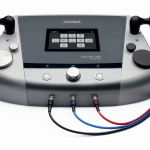
Tecarterapia (TECAR)
An innovative treatment that uses high-frequency electrical currents to stimulate tissue regeneration, reduce pain, and accelerate the recovery process for musculoskeletal injuries.
This therapy utilizes state-of-the-art devices that, through capacitive and resistive electric transfer (TECAR), promote tissue regeneration—affecting both superficial and deep tissues.
It is indicated for both acute and chronic situations, but the depth of its effects is best appreciated in chronic cases.
Tecar therapy is at the forefront of physical therapy treatments for chronic conditions, considered a first-line approach for recovery and pain relief.
Some therapeutic indications: Pain, arthritis, arthrosis, bursitis, neck pain, sciatica, chronic pain, edema, sprains, epicondylitis, plantar fasciitis, herniated discs, meniscal injuries, muscle injuries, ligament injuries, tendon injuries, traumatic injuries, lower back pain, frozen shoulder, pubalgia, post-operative rehabilitation, carpal tunnel syndrome, tendonitis.
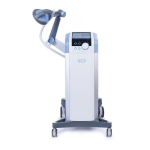
High-Intensity Electromagnetic Field Technology (SIS)
High-Intensity Electromagnetic Field Technology (SIS): The BTL-6000 Super Inductive System Elite is advanced equipment for physiotherapy and neuromuscular and osteoarticular rehabilitation
The technology is based on the induction of a high-intensity electromagnetic field that interacts directly with human body tissues, reaching deep structures non-invasively and without requiring direct skin contact. Key Technical Specifications: Magnetic Field Intensity: Up to 2.5 Tesla (or 3 Tesla, depending on the generator's calibration/version). Stimulation Frequency: Continuous range up to 150 Hz. Patented Cooling System: Allows for continuous coil use without the need for cooling pauses. Navigation & Interface: Color touchscreen with a patient database, quick protocols, and a therapeutic encyclopedia. Hands-Free Application: 6-position articulated arm for precise coil positioning, optimizing operator time.
Physiological Effects and Mechanisms of Action – Analgesia (Pain Relief): Acts on acute, subacute, and chronic pain through frequency modulation (Gate Control Theory, release of endogenous opioids, and Pattern Theory
Muscle Stimulation and Strengthening: Induces selective muscle contractions in neuromuscular tissue to prevent atrophy and rehabilitate weak muscles. Joint Mobilization: Generates repetitive contractions around the joint capsule, promoting pain-free mobilization and replacing manual movements. Bone and Tissue Regeneration: Accelerates cellular metabolism and local vascularization, fostering bone callus formation during fracture recovery.
Reduction of Spasticity: Relaxes pathological muscle hypertonia and improves functional mobility in neurological conditions. Key Therapeutic Indications – Pain Syndromes: Spinal pain (cervicalgia, low back pain, sciatica), herniated discs, and chronic joint pain.
Tendon and Muscle Pathologies: Tendinopathies, epicondylitis, impingement syndrome, contractures, and muscle strains. Bone Healing: Recent fractures or delayed union. Neurological Rehabilitation: Stroke sequelae, muscle spasticity, and nerve compressions (e.g., carpal tunnel syndrome).
Functional Re-education: Patellofemoral pain syndrome, limited range of motion, and post-surgical recovery.